How to Solve 15 Puzzle Without Random Sliding
Controls: Mouse.
The mistake most people make in 15 Puzzle is trying to fix whatever looks closest. That feels smart for about five seconds, then the board turns back into soup. The puzzle gets easier when you stop chasing single tiles and start treating it like a sequence.
Finish the board in strips
The clean way to play is to solve the top row first, then the second row, then work your way down. That matters because each finished strip removes part of the problem. If the top of the board is stable, the rest of your decisions get simpler. If you keep pulling solved tiles back into the fight, you never really move forward.
This is why random sliding feels so bad. It creates motion without creating structure.
Move the empty square on purpose
The blank square is the real tool in the puzzle. Good players are not just asking, "How do I move the 7?" They are asking, "Where does the blank need to be so the 7 can move cleanly?" That one shift in thinking saves a lot of useless loops.
If a number is close to where it belongs but the blank is in the wrong place, forcing the move usually scrambles something else. It is better to spend two or three moves setting up the space properly than ten moves repairing damage.
Protect solved work
Once a row is done, treat it like finished work. Leave it alone. Most stalled runs come from solving one piece and breaking two more on the way out. In 15 Puzzle, discipline matters more than speed. The board rewards players who know when not to touch something.
That is also why the final part of the puzzle feels harder. You have less room, so every careless move costs more.
Game example
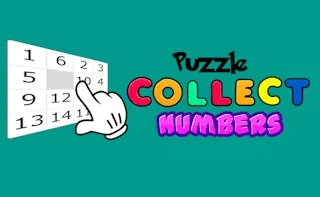
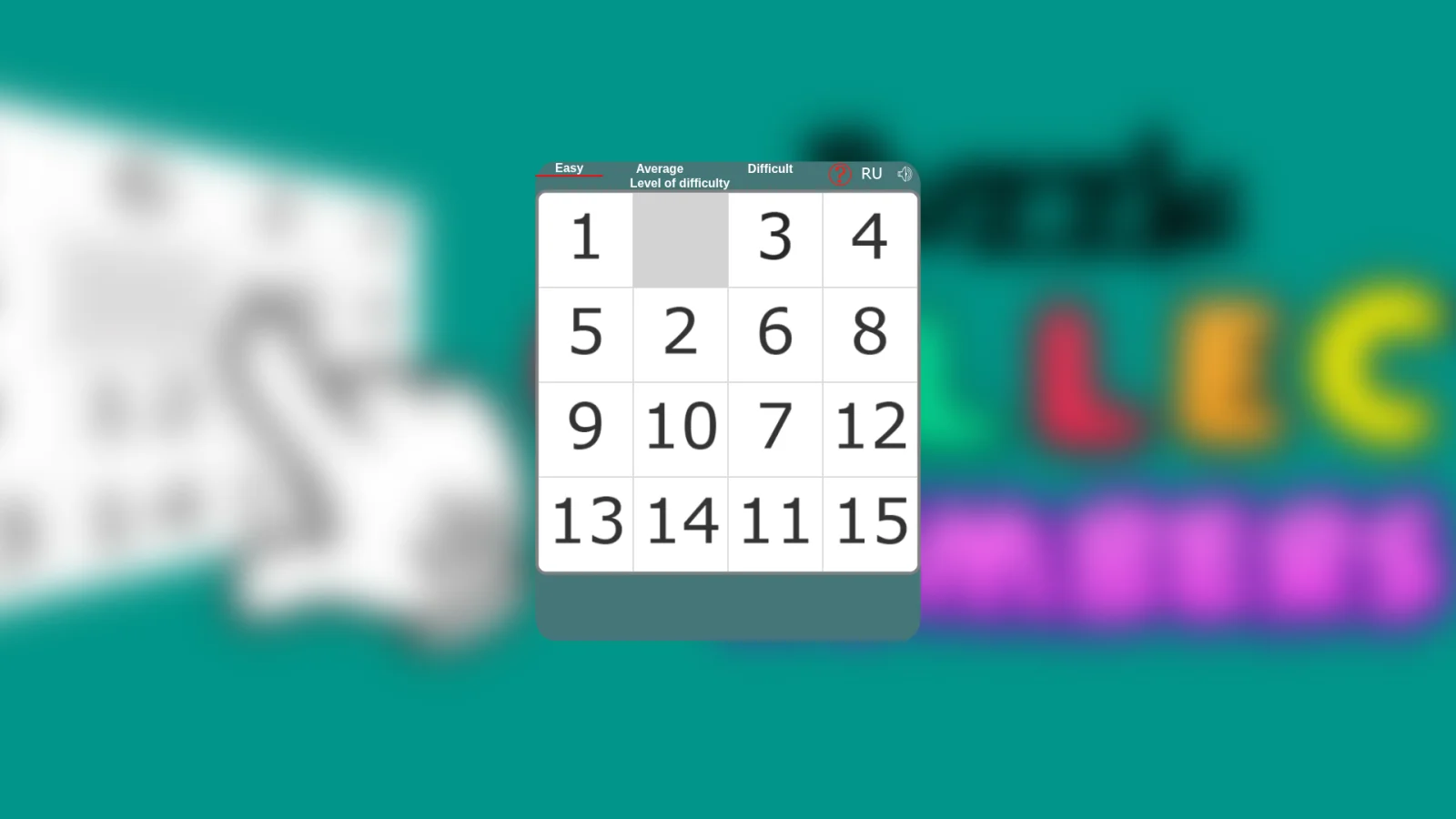
In 15 Puzzle - Collect numbers, the board starts to feel manageable the second it begins to look organized instead of merely active. In the chosen screenshot, the top row is almost settled and the rest of the grid is messy but still readable. That is the real turning point in this puzzle. Once part of the board is under control, the rest stops feeling random.
Takeaway
15 Puzzle is not really about moving fast. It is about refusing to create new problems while you solve the old ones.