Line Runner Tips: Stop Reacting Late and Start Planning the Lane
Controls: Mouse.
Line Runner is built around one uncomfortable idea: the correct move is usually needed before the obstacle feels close. If you wait until the block is already beside you, the game starts feeling unfair. It is not unfair. It is just asking you to commit earlier.
Read obstacle groups, not single blocks
The first trap is treating every obstacle as its own separate problem. That works for the first few seconds, then the patterns get tighter. A better habit is to read the next two or three shapes as a group.
If one block pushes you to switch sides, ask what the next block does to that choice. Sometimes the safe move is not the move that dodges the first obstacle. It is the move that leaves you alive after the second one.
Do not switch just because you can
Line Runner makes side-switching feel like the answer to everything. That is how players get jumpy. If your current side is safe, staying put is often the cleanest move. Every unnecessary switch creates another chance to mistime the next one.
The goal is not to move constantly. The goal is to move when the lane actually demands it.
Keep a rhythm under pressure
Once the score climbs, panic clicks start to feel tempting. They also make the screen harder to read. A steady click rhythm helps because it keeps your decisions controlled, even when the obstacles are close together.
When a run falls apart, it usually starts with one rushed switch. Slow the decision down mentally, even if the game speed is rising.
Game example
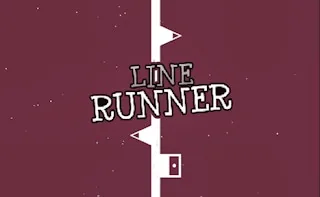
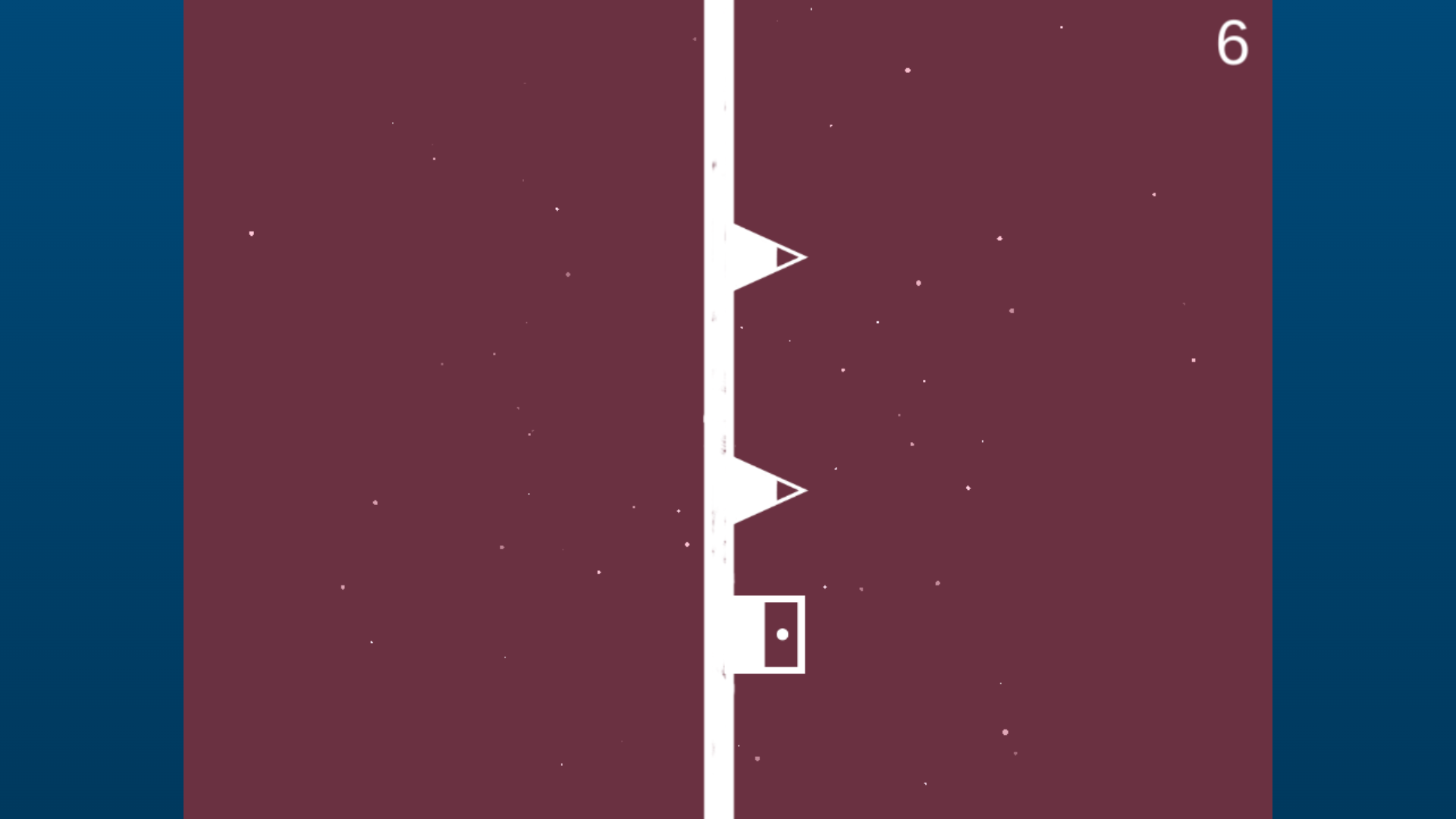
In Line Runner, the screenshot shows a simple white path with multiple triangular hazards stacked ahead. The runner is close enough that a late reaction would feel natural, but that is exactly the mistake. The useful play is to see the obstacle group early and decide whether the next switch creates space or removes it.
Takeaway
Line Runner gets easier when you stop asking, "what do I dodge now?" and start asking, "where will I need to be next?"